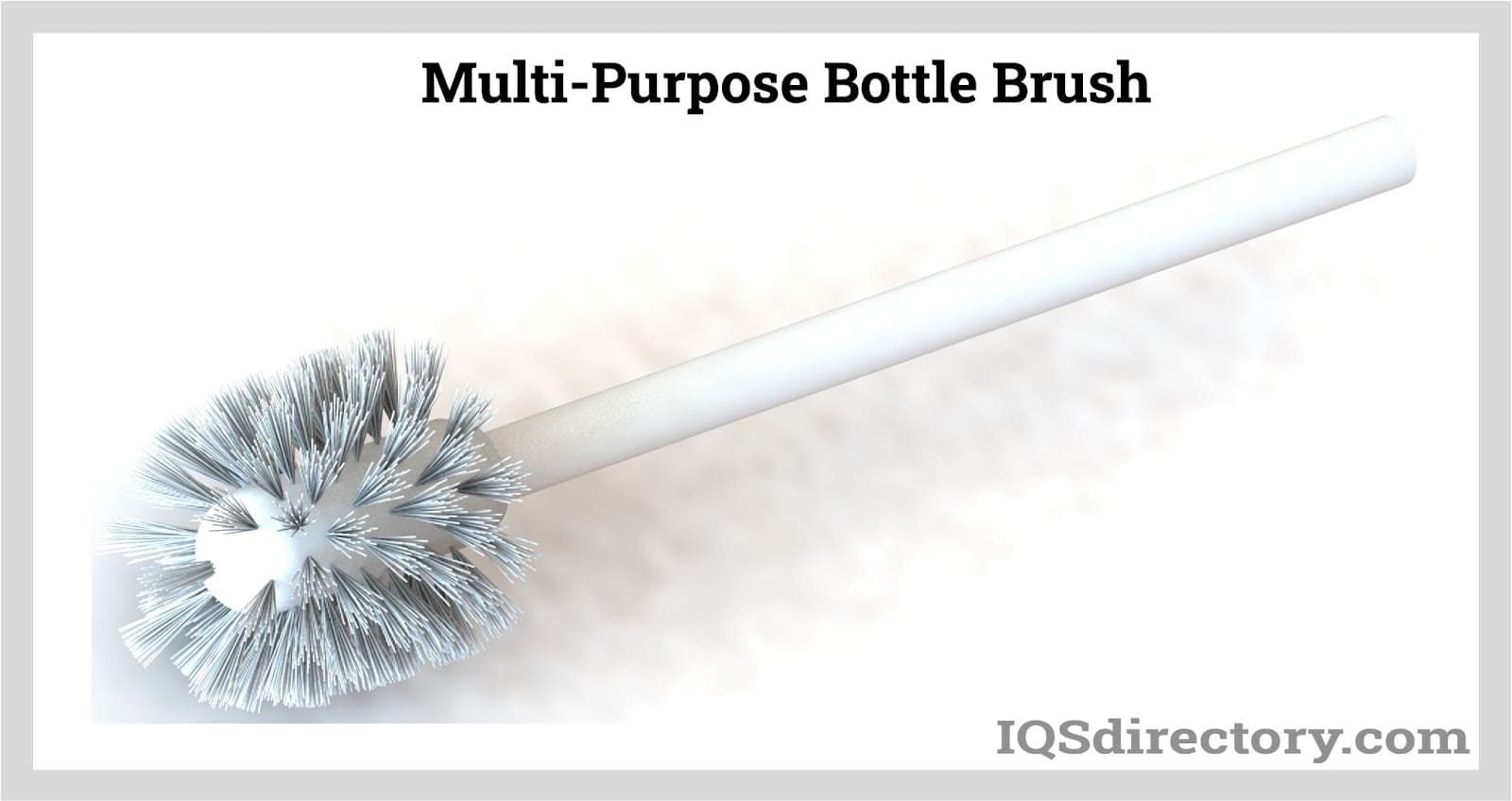
Bottle brushes also called flue brushes, bottle brushes are a type of brush in which the bristles radiate from a central stem and are most commonly used for cleaning hard to reach areas in bottles. Designed for strength and long term use, bottle brushes can also be used to clean holes after drilling; they can also be used to clean air and water purification systems as well as the interior surfaces of test tubes. Test tube brushes differ slightly from typical bottle brushes in that they offer tufted ends that provide effective cleaning of test tube bottoms. Read More…
Gordon Brush® is an ISO 9001:2015 certified manufacturer of standard & specialty brushes for the commercial, aerospace, military, medical & electronics industries.
Spiral Brushes manufactures industrial brushes, custom brushes, power brushes, wire brushes, conveyor cleaning brushes, steel brushes, stainless steel brushes, brass brushes, nylon brushes, abrasive nylon brushes, and natural fiber brushes.
The Industrial Brush Co. is a provider of brushes. Since 1946, we have been committed to providing high quality brushes and customer service for a variety of industrial applications and marketplaces.

Justman Brush is an ISO 9001:2015 Registered Manufacturer centrally located in the United States. We manufacture brushes for a large variety of industrial applications for our customers in the industrial, aerospace, military, laboratory & scientific, medical and food service industries. With over 91 years of manufacturing experience, we have the American Quality, competitive pricing and short...
Precision Brush Company is an industry leader that has the technology, expertise and experience to satisfy all of your brush requirements.
Braun Brush is committed to manufacturing quality brushes using a variety of methods. We offer convenient purchasing of the most extensive brush line available & a unique design-your-own brush service on the web.

For over 30 years, Tanis has been a leading brush manufacturer. Tanis has put innovation to work in everything we do, using the latest technology, materials, manufacturing advancements and engineering expertise.




More Bottle Brush Manufacturers
Bottle Brushes: The Essential Guide to Types, Uses, and Industry Applications
Bottle brushes are indispensable cleaning tools, specially engineered to access and thoroughly clean the hard-to-reach interiors of bottles and containers. Their unique designs cater to a wide variety of bottle shapes and sizes, making them essential for maintaining hygiene and quality control across numerous sectors. Whether you're searching for the best bottle brush for narrow-necked bottles, a laboratory bottle brush for scientific equipment, or a durable industrial bottle cleaning brush, understanding the range of configurations, materials, and applications will help you select the right tool for your requirements.
Why Are Bottle Brushes Important?
Maintaining cleanliness inside bottles is crucial in industries such as food processing, pharmaceuticals, laboratories, medical facilities, pet care, and beverage production. Bottle brushes are designed to tackle residues, bacteria, and contaminants that can accumulate in hard-to-reach places, ensuring product safety, taste, and shelf life. In residential settings, bottle brushes are a must-have for cleaning reusable water bottles, baby bottles, coffee carafes, thermoses, and even vases or decorative glassware.
Are you wondering how to choose the right bottle brush for your specific application? Or are you searching for tips on maximizing efficiency in bottle cleaning for commercial or industrial use? Read on for an in-depth look at bottle brush types, materials, construction methods, and key decision factors.
Types of Bottle Brushes: Configurations & Features
Bottle brushes are available in a diverse range of shapes and configurations to match the unique contours of different bottles and vessels. The most common bottle brush styles include:
- Straight (Linear) Bottle Brushes: The classic style, ideal for most cylindrical bottles and containers.
- Curved Bottle Brushes: Designed with a bent or flexible shaft to reach bottle shoulders, corners, or irregularly shaped vessels.
- Double-Ended Bottle Brushes: Feature bristles on both ends, providing versatility for cleaning bottles of various depths and diameters.
- Spiral or Twisted-In Wire Brushes: Bristles are tightly wound around a central wire core, delivering robust scrubbing action and conforming to bottle walls.
- Specialty Brushes: Includes foam-tipped, soft-bristled, or uniquely shaped brushes for sensitive or delicate glassware, such as laboratory flasks and beakers.
Some bottle brushes are equipped with detachable heads, ergonomic handles, or built-in scrapers to improve comfort and cleaning efficacy. When selecting a bottle brush, consider the diameter of the bottle opening, the length of the brush, and the flexibility required for your cleaning tasks.
Common Bottle Types Cleaned with Bottle Brushes
Bottle brushes are engineered to clean an extensive array of bottle and container types. Typical applications include:
- Water bottles (including sports bottles and reusable plastic or stainless steel bottles)
- Baby bottles and infant feeding accessories
- Thermos bottles, insulated flasks, and travel mugs
- Vinegar and oil bottles
- Narrow-necked glass or plastic bottles
- Coffee carafes, decanters, and tea pots
- Laboratory glassware such as carboys, beakers, and Erlenmeyer flasks
- Home brewing equipment, including growlers and fermenters
- Medical and pharmaceutical containers
- Industrial tanks and process vessels
- Specialty bottles used in the electronics and petrochemical industries
Do you need a bottle brush for a unique application? Learn how to source custom bottle brushes tailored to your specific requirements.
Bottle Brush Materials: Bristles and Handles
The performance and durability of a bottle brush depend heavily on the bristle and handle materials used in its construction. Choosing the right material is essential for effective cleaning and product longevity.
Bristle Materials
- Nylon Bristles: The most common choice for bottle brush bristles, nylon is flexible, durable, and resistant to wear. Nylon bristles are suitable for general-purpose cleaning, including glass, plastic, and metal containers. They are non-absorbent, ensuring bristles remain free from contaminants and odors.
- Metal Bristles: Used for heavy-duty cleaning and aggressive scrubbing. Common metals include stainless steel, brass, and carbon steel. Metal bristles are ideal for removing tough residues, rust, or scale from industrial tanks, pipes, or laboratory equipment.
- Natural Fibers: Less common but available for specialized applications, such as gentle cleaning of delicate glassware or organic products. Examples include horsehair or plant-based fibers.
- Foam Tips: Some bottle brushes feature a foam or sponge tip for polishing and streak-free cleaning, especially useful for glassware and sensitive surfaces.
Handle Materials
- Galvanized Steel and Stainless Steel: Provide strength, durability, and corrosion resistance—essential for industrial, laboratory, and food processing environments.
- Aluminum or Brass: Lightweight and resistant to corrosion, making them suitable for applications requiring frequent cleaning or chemical exposure.
- Plastic Handles: Offer comfort, insulation, and a firm grip. Heavy-duty plastic handles are often used for thicker, sturdier bottle brushes in residential and commercial settings.
- Wooden Handles: Sometimes preferred for their eco-friendliness and comfortable grip, especially in artisanal or specialty bottle brushes.
Need to compare nylon vs. metal bristle bottle brushes for your application? Explore the advantages of wire and twisted-in wire brushes.
Bottle Brush Construction: How Are They Made?
Most bottle brushes are manufactured using a twisted-in wire construction process. This involves doubling over a length of wire, placing the bristles between the top and bottom sections, and then twisting the wire tightly—much like winding a rubber band. This technique firmly secures the bristles, ensuring longevity and consistent cleaning performance.
Some variations exist in bristle arrangement:
- Single-End Bottle Brushes: Bristles are concentrated at one end, ideal for reaching the bottom of bottles or tight corners.
- Center-Bristle Bottle Brushes: Bristles are centered along the wire, with handle extensions on both sides. This design is often used in specialty industrial or laboratory cleaning brushes.
The handle is typically the twisted wire itself, providing strength and flexibility. For heavy-duty or ergonomic needs, manufacturers may add thicker plastic or rubberized handles, or even incorporate hanging loops for convenient storage.
Key Benefits of Using Bottle Brushes
Why choose a bottle brush over other cleaning tools? Consider these advantages:
- Deep Cleaning: Bottle brushes reach areas that sponges, cloths, or dish brushes cannot, thoroughly removing residues from bottle necks, corners, and bases.
- Versatility: Suitable for cleaning a wide variety of containers, from baby bottles to industrial tanks.
- Hygiene and Safety: Effective removal of bacteria, mold, and contaminants, supporting food safety and health standards.
- Material Compatibility: Available in bristle and handle materials compatible with glass, plastic, stainless steel, ceramic, and more.
- Cost-Effectiveness: Durable and reusable, bottle brushes offer long-term value for both commercial and residential users.
- Customization: Custom bottle brushes can be engineered to meet unique cleaning challenges in specialized industries.
Bottle Brush Applications by Industry
Bottle brushes play a critical role in maintaining cleanliness, product quality, and compliance within multiple industries. Here’s a closer look at their most common applications:
Food & Beverage Production
- Cleaning reusable water bottles, juice containers, and beverage dispensers
- Maintaining hygiene in milk, wine, and beer bottling lines
- Sanitizing carafes, pitchers, and brewing equipment
Laboratory & Pharmaceutical
- Cleaning glassware such as flasks, beakers, test tubes, and carboys
- Removing chemical residues and preventing cross-contamination
- Ensuring compliance with laboratory safety and regulatory standards
Medical & Healthcare
- Sanitizing medical vials, sample bottles, and surgical instrument containers
- Supporting infection control protocols in clinics and hospitals
Industrial & Manufacturing
- Removing scale, rust, and buildup from pipes, tanks, and process equipment
- Cleaning bottles and vessels in chemical, petrochemical, and electronics manufacturing
Residential & Commercial
- Cleaning water bottles, baby bottles, and kitchenware
- Maintaining reusable drinkware in cafes, restaurants, and offices
- Washing vases, decanters, and decorative glassware
Looking for a bottle brush tailored to your industry? Contact a bottle brush manufacturer to discuss your specific cleaning requirements and get expert recommendations.
How to Choose the Best Bottle Brush: Key Decision Factors
With so many options available, selecting the right bottle brush depends on several variables. Consider these important decision factors to ensure optimal cleaning results:
- Bottle Shape and Size: Match the brush diameter and length to the bottle's opening and depth for effective cleaning without damaging the container.
- Bristle Material: Choose nylon for general cleaning, metal for tough residues, or natural fibers for delicate surfaces.
- Handle Design: Select ergonomic or extended handles for comfort and reach, especially when cleaning tall or narrow bottles.
- Application Environment: Consider resistance to chemicals, heat, or moisture if cleaning in industrial, laboratory, or food processing settings.
- Reusability and Cleaning Frequency: Opt for durable, easy-to-clean materials for frequent or commercial use.
- Special Features: Look for detachable heads, built-in scrapers, or foam tips for specialized cleaning needs.
Want help choosing a bottle brush for a specific use case? Try searching: “Best bottle brush for stainless steel bottles,” “What bristle material for cleaning lab glassware?” or “Custom industrial bottle brush manufacturers near me.”
Frequently Asked Questions About Bottle Brushes
What is the best way to clean and maintain a bottle brush?
After each use, rinse the bottle brush thoroughly with hot water to remove debris and residues. For deeper cleaning, soak in a solution of warm water and mild detergent, or sanitize with vinegar or a diluted bleach solution (if compatible with the brush material). Allow the brush to air dry completely before storing to prevent mold or bacterial growth. Replace bottle brushes periodically if bristles become worn, frayed, or discolored.
Are bottle brushes dishwasher safe?
Many nylon and plastic-handled bottle brushes are dishwasher safe; however, always check the manufacturer’s instructions to avoid damaging the brush or its bristles. Metal-handled or specialty bottle brushes may require hand washing.
Can bottle brushes be used for cleaning items other than bottles?
Absolutely! Bottle brushes are versatile and can be used to clean vases, decanters, jars, coffee makers, pipes, sports equipment, and laboratory glassware. Their ability to reach narrow or curved spaces makes them ideal for a range of cleaning applications.
How do I choose between a straight and a curved bottle brush?
Straight bottle brushes are ideal for standard cylindrical bottles and containers. Curved bottle brushes are better suited for cleaning bottle shoulders, angled necks, or oddly shaped vessels. Consider your specific cleaning needs and bottle geometry when deciding.
Where can I find custom or specialty bottle brushes?
You can contact specialized brush manufacturers who offer custom design services. Specify your material, size, and application requirements to get a tailored solution.
Conclusion: Selecting the Right Bottle Brush for Your Needs
Bottle brushes are versatile, cost-effective, and essential cleaning tools for both individuals and businesses. By understanding the different types of bottle brushes, material options, construction methods, and industry applications, you can confidently select the ideal brush for your cleaning tasks—whether at home, in a laboratory, or on an industrial production line.
Ready to source high-quality bottle brushes for your business or household? Browse reputable bottle brush manufacturers and discover custom solutions engineered to your exact specifications.
Still have questions? Try searching:
- “What is the best bottle brush for narrow-necked bottles?”
- “How do I clean a stainless steel water bottle thoroughly?”
- “Bottle brush manufacturer for laboratory glassware cleaning”
- “Nylon vs. metal bristle bottle brush for industrial use”
- “Where to buy custom bottle brushes in bulk?”
For more information on cleaning tools and solutions, visit our resource center or contact us for expert guidance on selecting the right bottle brush for your needs.



 Brooms
 Brushes
 Static Eliminator
 Sweepers
 Castings & Forgings
 Bulk Material Handling
 Electrical & Electronic Components
 Flow Instrumentation
 Hardware
 Material Handling Equipment
 Metal Cutting Services
 Metal Forming Services
 Metal Suppliers
 Motion Control Products
 Plant & Facility Equipment
 Plant & Facility Supplies
 Plastic Molding Processes
 Pumps & Valves
 Recycling Equipment
 Rubber Products & Services