Industrial brushes have a grip, holder, or shaft with embedded bristles that can be twisted, pair twisted, straight, spiral, or have various types combined. They are highly abrasive and used to remove oxidation, paint, coatings, deburring, and welding slag and prepare surfaces for processing. Industrial brushes are essential for surface cleaning and preparing metals for different processing operations. Read More…
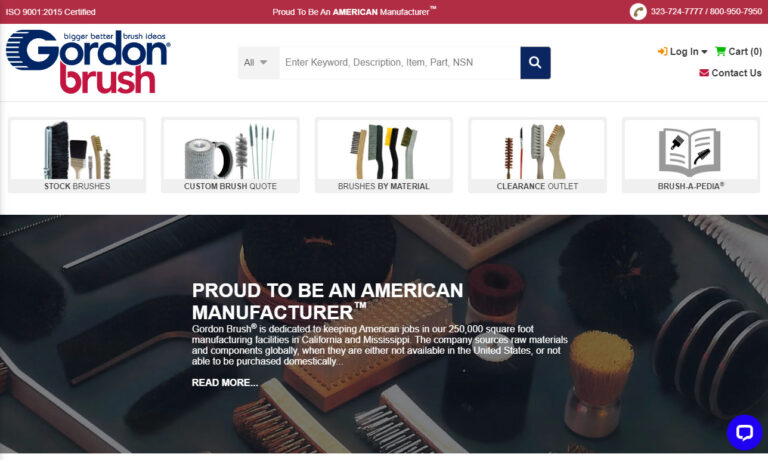
Gordon Brush® is an ISO 9001:2015 certified manufacturer of standard & specialty brushes for the commercial, aerospace, military, medical & electronics industries.
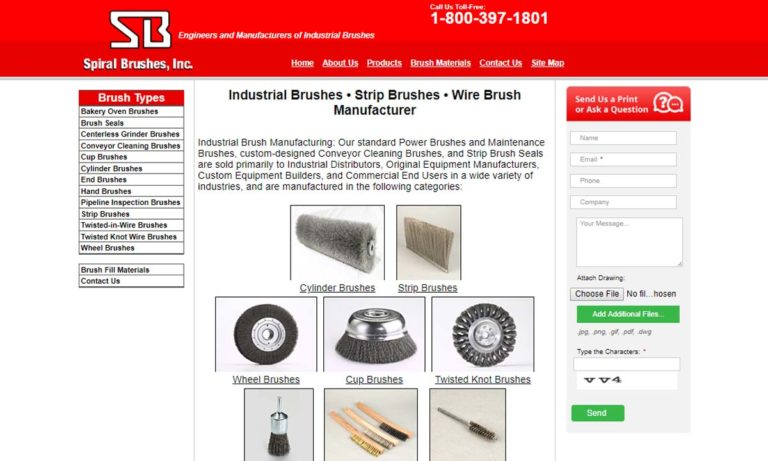
Spiral Brushes manufactures industrial brushes, custom brushes, power brushes, wire brushes, conveyor cleaning brushes, steel brushes, stainless steel brushes, brass brushes, nylon brushes, abrasive nylon brushes, and natural fiber brushes.
The Industrial Brush Co. is a provider of brushes. Since 1946, we have been committed to providing high quality brushes and customer service for a variety of industrial applications and marketplaces.

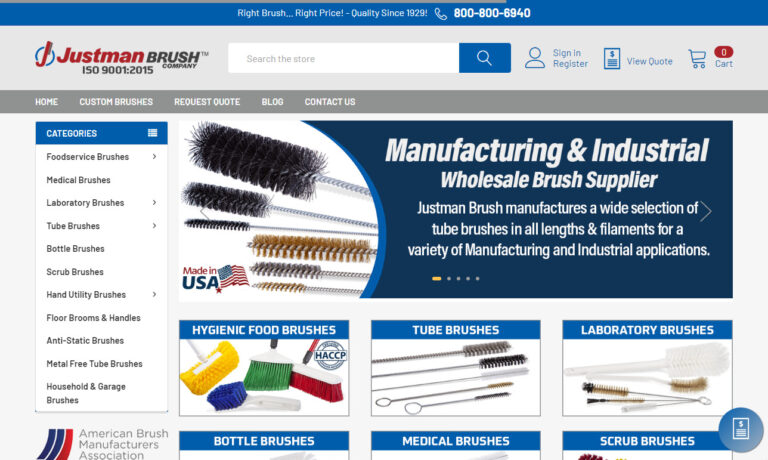
For 75 years, Justman Brush has maintained a tradition of manufacturing industrial brushes of the highest quality. Justman Brush Company’s products offer maximum performance for the laboratory, scientific, industrial, medical and food processing industries. Justman Brush carries the tradition of dedication to quality products and customer service. Get in touch with us today!
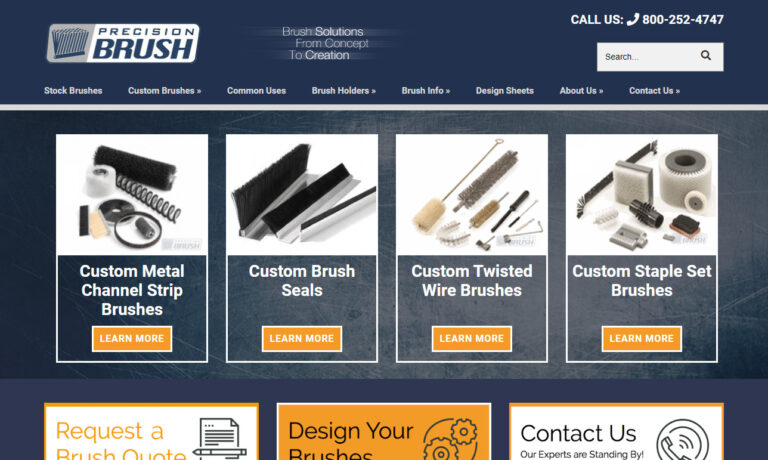
Precision Brush Company is an industry leader that has the technology, expertise and experience to satisfy all of your brush requirements.
Braun Brush is committed to manufacturing quality brushes using a variety of methods. We offer convenient purchasing of the most extensive brush line available & a unique design-your-own brush service on the web.

For over 30 years, Tanis has been a leading brush manufacturer. Tanis has put innovation to work in everything we do, using the latest technology, materials, manufacturing advancements and engineering expertise.



More Industrial Brush Manufacturers
Types of Industrial Brushes
The term industrial brush encompasses a versatile range of brushes engineered for demanding industrial environments and highly specialized applications. These brushes serve as essential abrasive tools, functioning much like grinders or sanders, and possess the unique capability to access and clean areas that are otherwise unreachable by conventional equipment. Industrial brushes are a cornerstone in manufacturing, maintenance, and cleaning processes, supporting industries such as automotive, electronics, aerospace, food processing, pharmaceuticals, metalworking, woodworking, and many more.
While the typical industrial brush is designed for robustness and longevity, a spectrum of brush types exists to cater to both aggressive and delicate tasks. For example, gentle yet durable brush varieties have gained significant traction in advanced manufacturing sectors, notably for the meticulous cleaning of electronics such as cell phones, computers, technical instruments, and televisions. These applications demand not only the removal of dust, debris, and particulates but also the protection of sensitive components from static discharge and physical abrasion.
What Are the Main Categories of Industrial Brushes?
Industrial brushes are categorized based on their construction, intended application, and material composition. Some common types include:
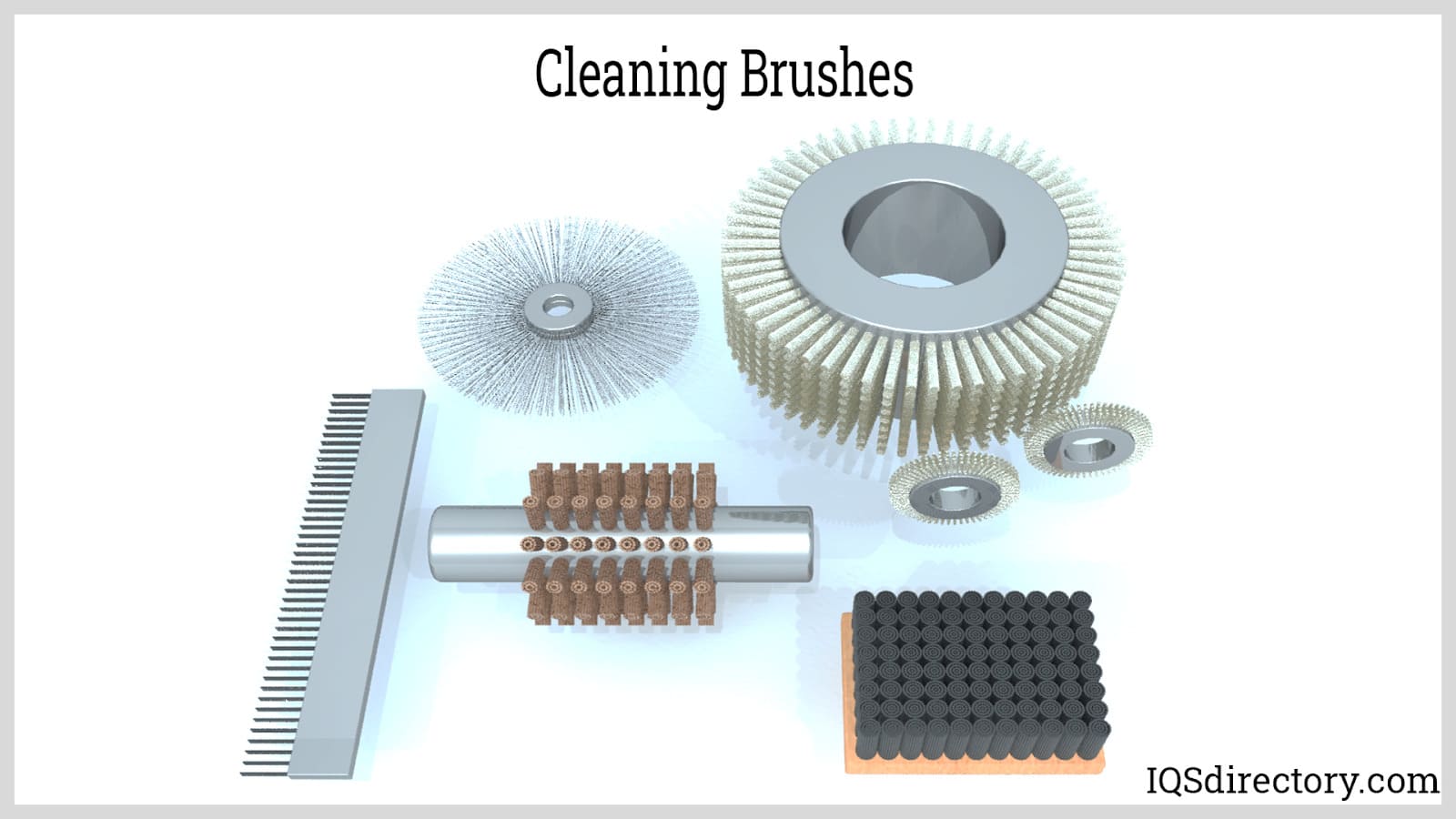
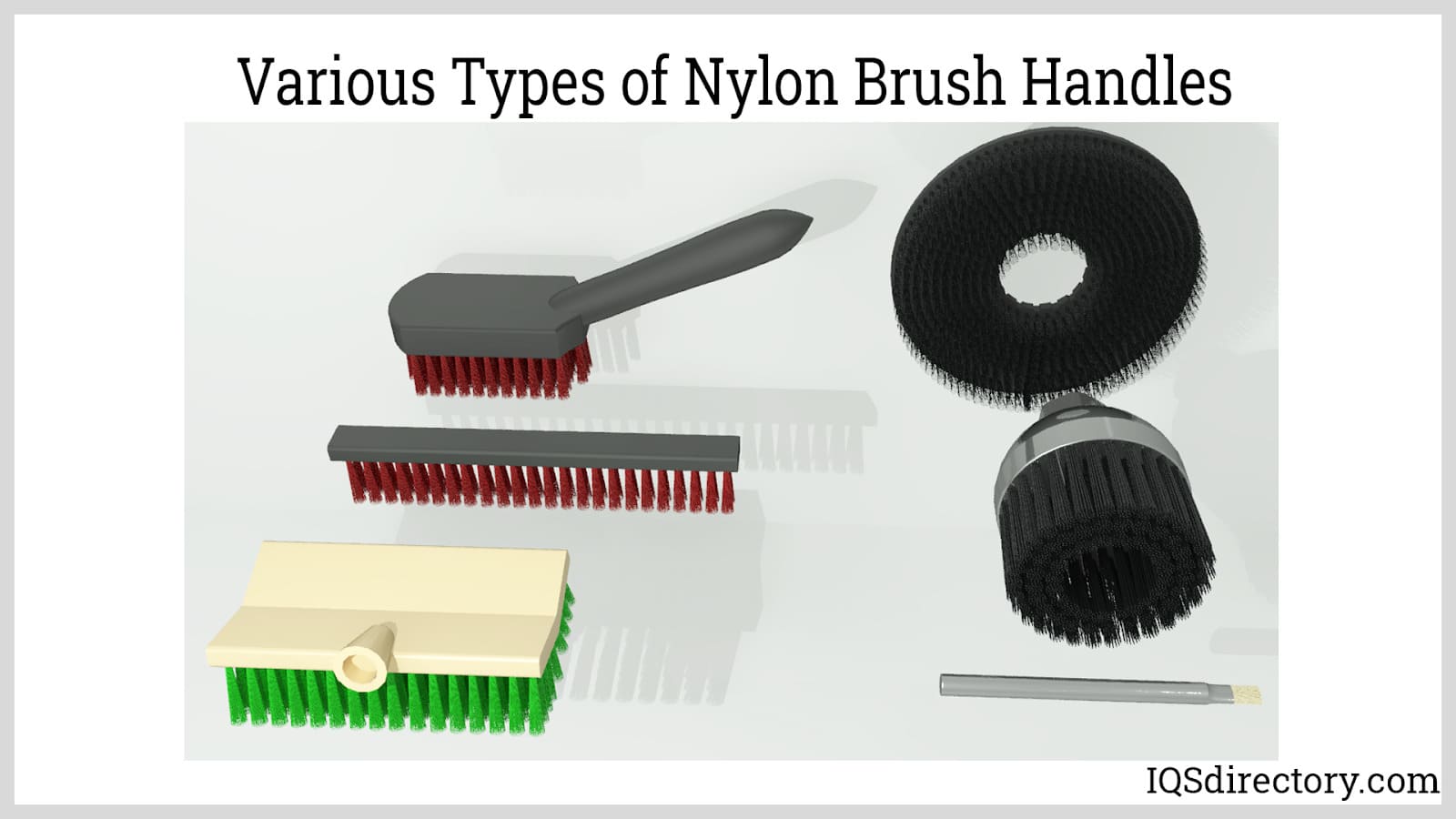
- Strip brushes: Used for sealing, cleaning, and conveying.
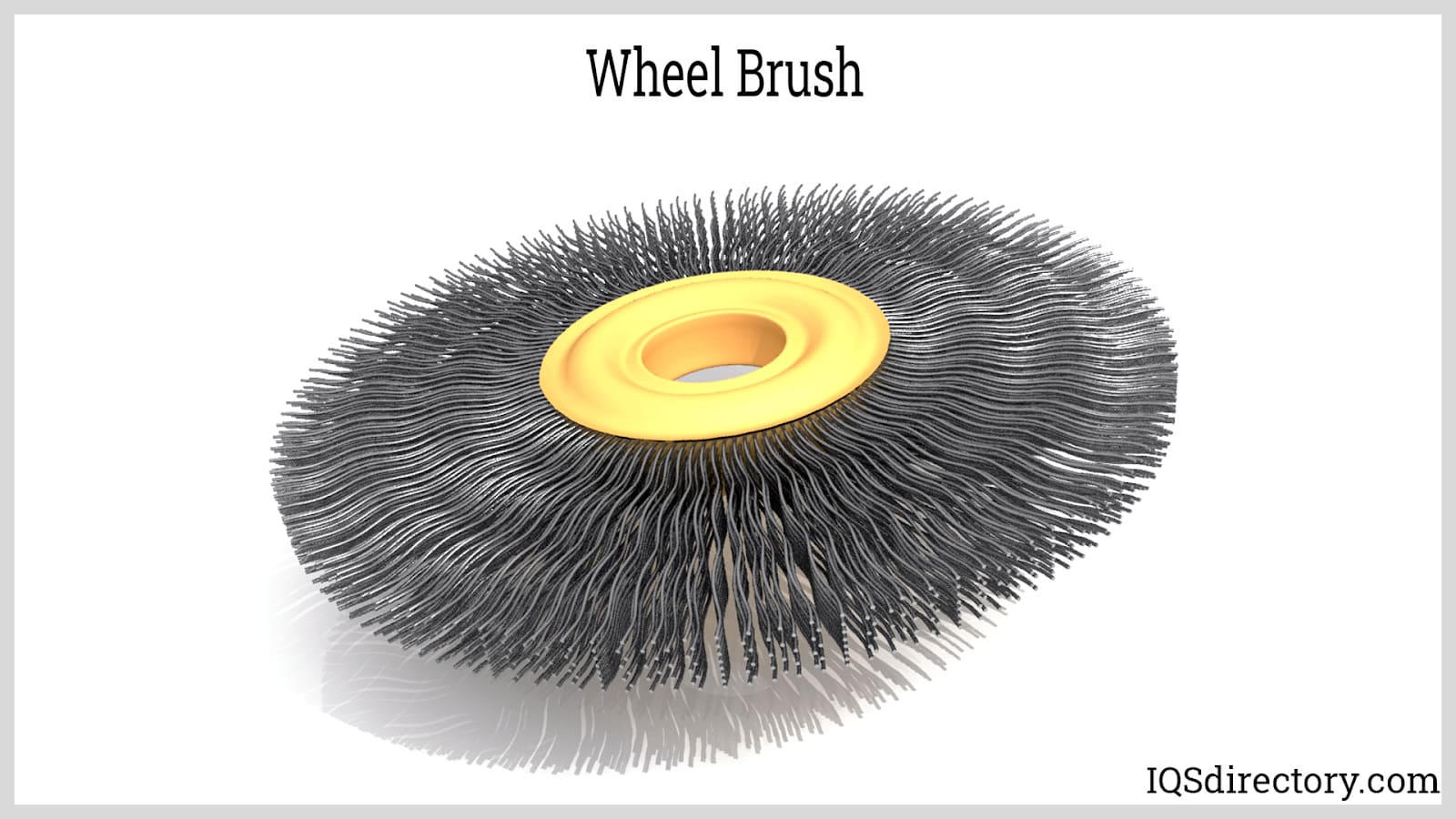
- Wheel brushes: Ideal for surface finishing, deburring, and edge blending.
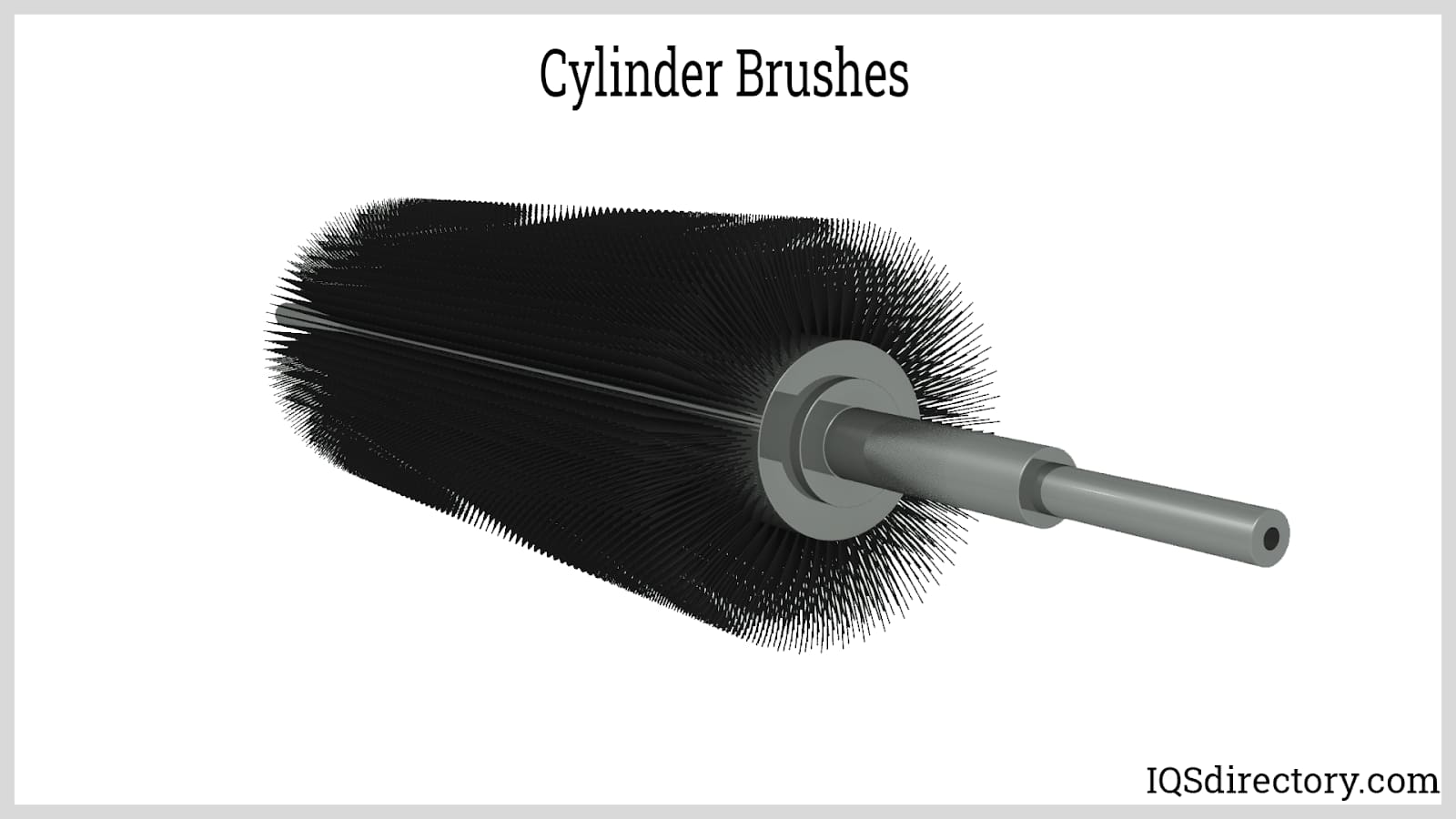
- Cylinder brushes: Designed for conveyor cleaning or polishing large surfaces.
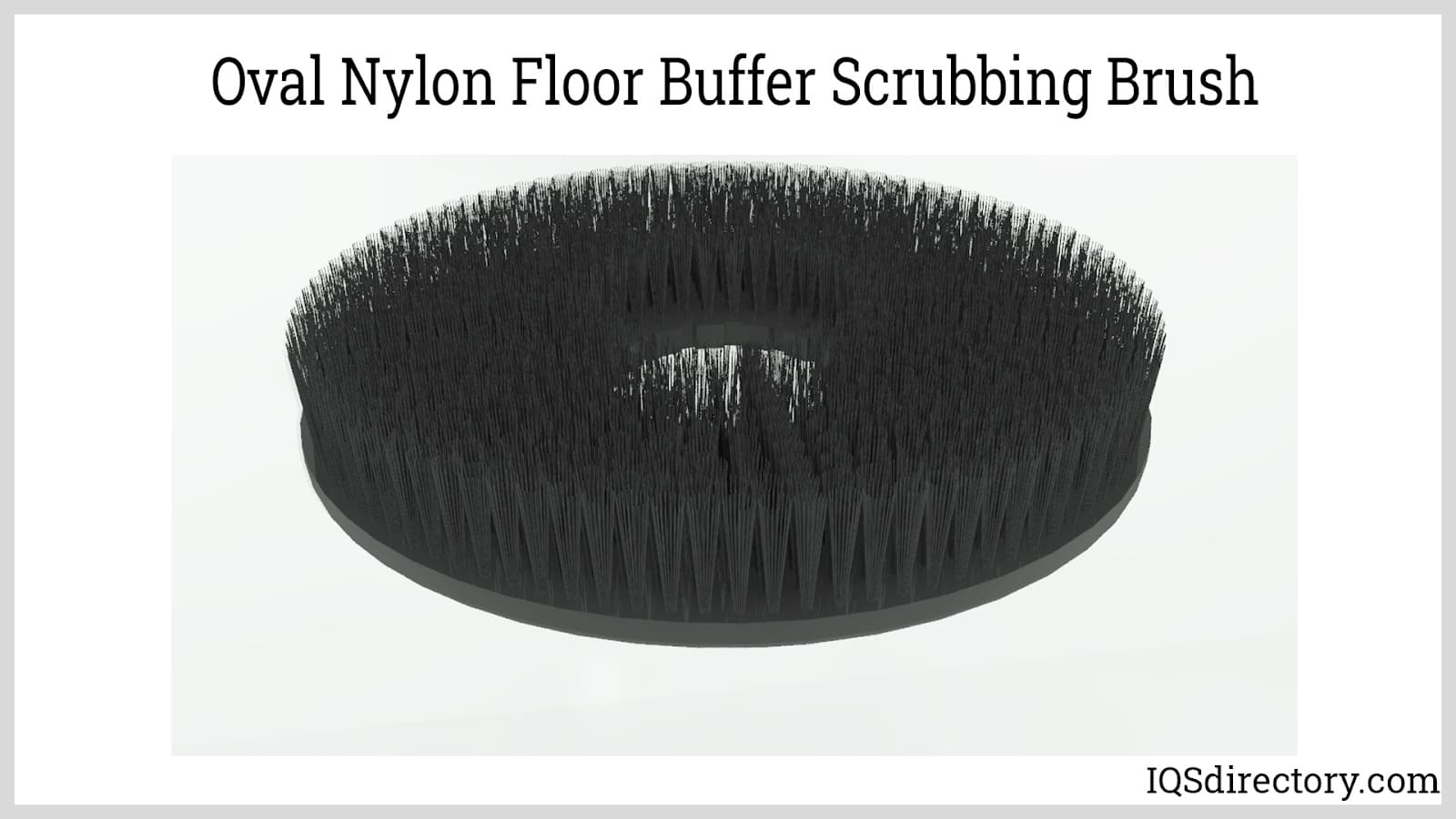
- Disc brushes: Used in automated equipment for cleaning, deburring, and finishing.
- Twisted-in-wire brushes: Suitable for cleaning tubes, pipes, and internal surfaces.
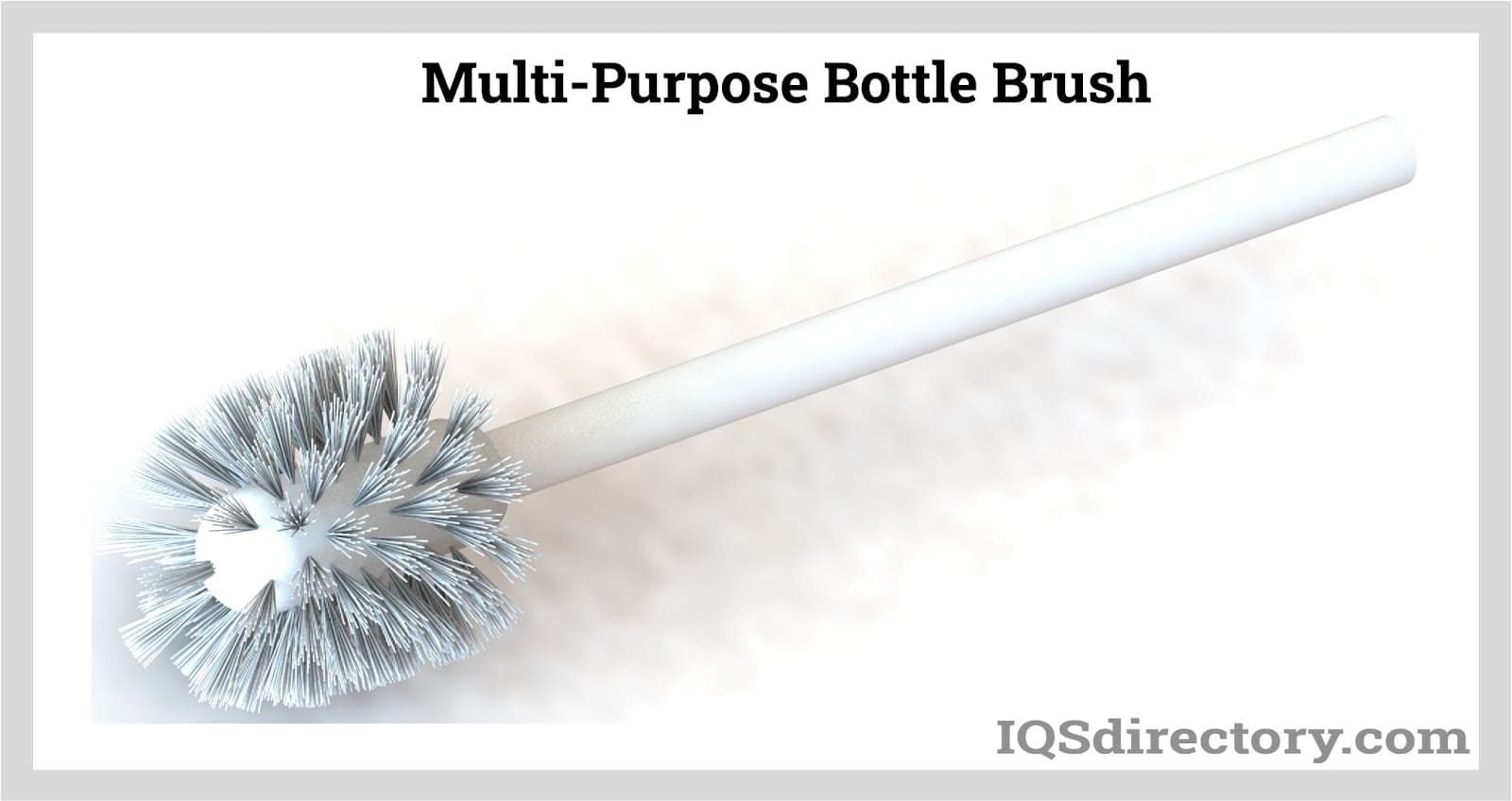
- Hand-held utility brushes: Versatile for manual cleaning and surface preparation.
Each brush type is further tailored with specific bristle materials—such as natural fibers, synthetics, or metals—to optimize performance for targeted industrial tasks.
Electrostatic Discharge Brushes (ESD)
ESD brushes are specialized industrial brushes designed to insulate, conduct, or dissipate electrostatic discharges, safeguarding sensitive electronic components during cleaning or assembly. Static charges, generated through the triboelectric effect—friction between surfaces—can damage delicate electronic circuits or create hazards in volatile environments. ESD brushes are engineered to inhibit and dissipate these static charges, often termed as anti-static brushes.
In liquid environments, ESD brush bristles made from wood, hogs’ hair, horsehair, or goat hair effectively dissipate static charges. However, in dry environments—where static electricity poses a greater fire risk—special precautions and materials are required for safe static charge removal.
Electronics manufacturers, cleanroom operators, and repair technicians rely on ESD brushes to prevent electrostatic discharge events that could compromise product quality or worker safety. By integrating ESD brushes into their workflow, companies minimize costly damage and uphold stringent industry standards for static control and contamination prevention.

Dissipative ESD Brushes
Dissipative ESD brushes are precision tools designed to control the flow of electrical current, channeling static electricity away from sensitive components and towards a designated ground. These brushes utilize treated nylon filaments, which are enhanced with dissipative additives during the extrusion process to achieve optimal electrostatic discharge performance. The ability to safely control and dissipate static energy makes dissipative brushes vital in electronics manufacturing, semiconductor fabrication, and cleanroom operations where contamination and static discharge are critical concerns.
Conductive ESD Brushes
Conductive brushes are designed with exceptionally low electrical resistance, allowing them to efficiently channel electrical currents generated by friction directly to a grounding point. While natural materials are sometimes used for conductive brushes, their inherent brittleness and limited durability have led to the widespread adoption of resilient synthetic materials such as carbon-impregnated nylon or metal fibers. Conductive ESD brushes play a key role in environments where rapid static neutralization is required, such as printed circuit board assembly, electronics repair, and industrial automation systems.
Insulative ESD Brushes
Insulative brush materials are characterized by high electrical resistance, making them difficult to ground. These brushes tend to accumulate and retain static charges, as their insulating properties inhibit the flow of electrons. Insulative brushes are selected for applications where static build-up must be isolated or where conductive materials could pose a risk to the process or product.

Grounded Anti-Static Brushes
Grounded anti-static brushes are engineered with conductive pathways—often in the form of grounding wires or cords—that safely direct static electric charges to an earth ground. These brushes are an essential component in manufacturing and laboratory setups, particularly where brushes are mounted after a static charge is generated. Reliable grounding ensures the brush's effectiveness in neutralizing and dissipating static accumulation.
Typical applications for grounded anti-static brushes include cleaning sensitive optical equipment, film, scanners, cameras, plastics, acrylics, jewelry, glass, monitors, laboratory glassware, and high-precision technical instruments. Their design ensures that even microscopic dust and particles are safely removed without risking electrostatic damage.

How Are Anti-Static Brushes Used in Industry?
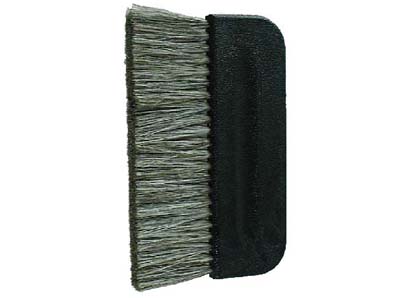
Anti-static, ESD, insulative, dissipative, and conductive brushes are typically compact and hand-operated, featuring ergonomic handles and bristles trimmed to specific lengths for optimal flexibility or stiffness. Shorter bristles provide enhanced stiffness for applications like solder removal, while longer bristles enable gentle cleaning of delicate surfaces.
Common industrial uses include:
- Solder removal in electronics manufacturing
- Dusting and cleaning of printed circuit boards (PCBs)
- Lead trimming and edge connector cleaning
- Static dissipation and contamination control in cleanrooms
- Preparation and finishing of sensitive instrumentation
- Maintenance of laboratory and medical equipment
By employing the correct anti-static brush for each application, manufacturers can greatly reduce the risk of static-induced failures, increase product reliability, and ensure compliance with industry regulations for static control.
Anti-Static Brush Fiber Materials
The performance and suitability of an anti-static or ESD brush are heavily influenced by the fiber material chosen. Brush fibers are selected based on their ability to dissipate, conduct, or insulate against static electricity, as well as their mechanical properties for cleaning or abrasion. The three primary categories of anti-static fibers are natural materials, synthetic fibers, and metal filaments.
Natural Fiber Brush Materials
Natural fibers used in industrial and anti-static brushes are sourced from animal hair or plant-based materials. Each type offers unique advantages for industrial cleaning and static control:
- Horsehair: Provides an ideal balance of softness and abrasiveness, suitable for cleaning delicate surfaces without scratching.
- Hog bristle: Known for its exceptional durability and resilience, making it suitable for heavy-duty scrubbing and static control.
- Goat hair: Extremely soft, making it perfect for cleaning lenses, optical components, and sensitive electronics.
- Vegetable fibers (e.g., Tampico and bassine): Tampico offers excellent chemical resistance and anti-static properties, while bassine is valued for its stiffness and longevity in harsh industrial environments.
Natural fibers are particularly favored in industries where gentle cleaning, static dissipation, and minimal abrasion are required, such as in optics, electronics, and laboratory maintenance.
Synthetic Fiber Brush Materials
Synthetic fibers are widely used in anti-static and ESD brushes due to their versatility, consistency, and enhanced performance characteristics. The most common synthetic fiber for anti-static applications is dissipative, treated nylon, with nylon 6.6 being the industry standard because of its electrical conductivity, strength, and thermal stability.
- Dissipative nylon filaments: Engineered with conductive or dissipative additives to channel static electricity away from sensitive surfaces.
- Polyester and polypropylene: Sometimes used for their chemical resistance and mechanical properties in specific industrial applications.
Synthetic fiber brushes are ideal for environments where consistent performance, durability, and static control are non-negotiable—such as electronics assembly lines, semiconductor fabrication, and cleanroom operations.
Metal Fiber Brush Materials
Metal fibers bring a high level of conductivity and abrasion resistance to anti-static and industrial brushes. The three most common metal fibers include:
- Carbon fiber: Delivers superior electrical conductivity, making it the preferred choice for rapid static dissipation and cleaning of highly sensitive electronic components.
- Bronze and stainless steel: These metals can be twisted into yarn and incorporated into brushes for enhanced strength, durability, and resistance to wear and mechanical stress. Stainless steel brushes are particularly valued in environments requiring frequent sterilization or exposure to corrosive chemicals.
Metal fiber brushes are often selected for applications that demand aggressive cleaning action, superior static discharge, or compatibility with high-temperature or abrasive environments.
Applications and Benefits of Industrial Brushes
Industrial brushes are integral to a broad spectrum of commercial and manufacturing processes. Their applications range from heavy-duty material removal and precision cleaning to surface preparation and static discharge management. Let’s explore some of the most common and high-value use cases:
Key Applications of Industrial Brushes
- Surface finishing and deburring: Wheel and disc brushes are utilized to remove burrs, sharp edges, and surface imperfections from metal, plastic, and wood components, improving product quality and safety.
- Conveyor and equipment cleaning: Cylinder and strip brushes keep production lines running efficiently by removing debris, dust, and contaminants from belts and machinery.
- Static control in electronics manufacturing: ESD and anti-static brushes prevent electrostatic discharge events, safeguarding sensitive electronics during assembly, repair, and packaging.
- Food processing and pharmaceutical cleaning: Specialized brushes ensure hygienic cleaning of production equipment and surfaces, meeting strict industry regulations for contamination control.
- Optical and laboratory equipment maintenance: Soft-bristled anti-static brushes gently remove particles from lenses, microscopes, and precision instruments.
- Welding and soldering preparation: Metal fiber brushes clean surfaces before and after welding or soldering, ensuring strong, contaminant-free joints.
- Pipe and tube cleaning: Twisted-in-wire brushes are essential for removing scale, residue, and foreign material from pipes and tubes of all diameters.
Benefits of Using Industrial Brushes
- Enhanced cleaning efficiency: Industrial brushes provide thorough cleaning, reaching into crevices and tight spaces that other methods cannot access.
- Reduced product defects: Proper cleaning and static control minimize damage to sensitive components, resulting in higher product reliability and reduced waste.
- Improved workplace safety: By effectively removing contaminants and controlling static electricity, industrial brushes help create safer working environments.
- Versatility and customization: Brushes can be custom-engineered to meet specific application requirements, including bristle material, stiffness, size, and mounting configuration.
- Cost savings: Regular use of industrial brushes lowers maintenance costs, extends equipment life, and reduces downtime by preventing buildup and contamination.
How to Select the Right Industrial Brush for Your Application
Choosing the most effective industrial brush involves evaluating a range of factors to align with your operational needs, safety standards, and budget. Key considerations include:
- Application requirements: Define whether you need abrasive action, delicate cleaning, static dissipation, or a combination of these functions.
- Bristle material: Select from natural, synthetic, or metal fibers based on your substrate, environmental conditions, and static control needs.
- Brush configuration: Decide between hand-held, machine-mounted, or custom-shaped brushes depending on accessibility and automation requirements.
- Operating environment: Consider exposure to chemicals, moisture, temperature extremes, and the potential for static build-up.
- Compliance and safety: Ensure the brush meets industry-specific standards for contamination control, static discharge, or food safety.
- Durability and maintenance: Factor in brush lifespan, ease of replacement, and maintenance cycles to optimize total cost of ownership.
Questions to Ask When Researching Industrial Brushes
- What type of industrial brush is best for my specific cleaning or finishing process?
- How do anti-static and ESD brushes differ, and which is required for my environment?
- What bristle material offers the best balance of cleaning power and static control for my application?
- Are there industry certifications or compliance standards I should look for in a brush supplier?
- Can I request custom brush designs to fit unique equipment or process needs?
- How do I maintain and replace brushes to maximize performance and lifespan?
Choosing the Right Industrial Brushes Manufacturer
To achieve the best results and ROI from your industrial brush purchase, partner with a reputable and experienced industrial brushes manufacturer or supplier. Here are steps to guide your procurement process:
- Evaluate multiple suppliers: Compare at least 4 or 5 companies using our curated list of industrial brushes manufacturers. Assess their experience, capabilities, and specialization.
- Review business profiles: Each industrial brushes supplier has a business profile page detailing their expertise and product range. Use these profiles to match suppliers with your requirements.
- Leverage contact forms: Reach out directly to manufacturers using embedded contact forms to request detailed information, technical support, or a competitive quote.
- Preview company websites: Our patented website previewer enables you to efficiently review each supplier’s online presence, helping you identify their unique strengths and focus areas.
- Streamline your RFQ process: Use our simple RFQ form to contact multiple industrial brushes companies simultaneously, saving time and ensuring consistent communication across suppliers.
Pro Tip: Prioritize manufacturers who offer customization, fast lead times, technical support, and proven industry certifications. Ask about their experience with similar applications and reference projects to verify their capability and reliability.
Ready to Find the Perfect Industrial Brush?
Start your search by exploring our comprehensive directory of top-rated industrial brush manufacturers and suppliers. Whether you need ESD brushes for electronics assembly, strip brushes for conveyor sealing, or custom-engineered solutions for specialized applications, our resources make it easy to compare your options, request quotes, and make informed purchasing decisions.
Frequently Asked Questions About Industrial Brushes
- What is the difference between anti-static and ESD brushes?
Anti-static brushes prevent the build-up of static electricity, while ESD brushes are specifically designed to safely dissipate static charges. Both are essential in electronics manufacturing and environments sensitive to static discharge. - How do I maintain industrial brushes for optimal performance?
Regular cleaning, proper storage, and timely replacement of worn bristles are key practices. Consult your manufacturer for specific maintenance guidelines based on brush material and application. - Can industrial brushes be customized for unique equipment or processes?
Yes, many manufacturers offer custom brush design services, including variations in bristle length, density, material, handle configuration, and mounting options. - What industries benefit most from specialized industrial brushes?
Industries such as electronics, automotive, aerospace, manufacturing, food processing, pharmaceuticals, and cleanroom technology all rely on specialized brushes for cleaning, finishing, and static control. - How do I choose the right bristle material for my application?
Consider the sensitivity of the surface, cleaning aggressiveness required, static control needs, and environmental factors. Consult with manufacturers to select the ideal material for your process.
Conclusion: Unlock the Power of Industrial Brushes in Your Operations
Industrial brushes play a vital role in modern manufacturing, maintenance, and contamination control. By selecting the right brush type, bristle material, and supplier, you can enhance product quality, boost efficiency, and maintain a safe, static-free working environment. Use our resources and manufacturer directory to streamline your research, compare solutions, and connect with trusted suppliers who can deliver the ideal brush for your operational needs.
Ready to take the next step? Explore our directory or request a quote today to find the best industrial brush solution for your application.


 Brooms
 Brushes
 Static Eliminator
 Sweepers
 Castings & Forgings
 Bulk Material Handling
 Electrical & Electronic Components
 Flow Instrumentation
 Hardware
 Material Handling Equipment
 Metal Cutting Services
 Metal Forming Services
 Metal Suppliers
 Motion Control Products
 Plant & Facility Equipment
 Plant & Facility Supplies
 Plastic Molding Processes
 Pumps & Valves
 Recycling Equipment
 Rubber Products & Services