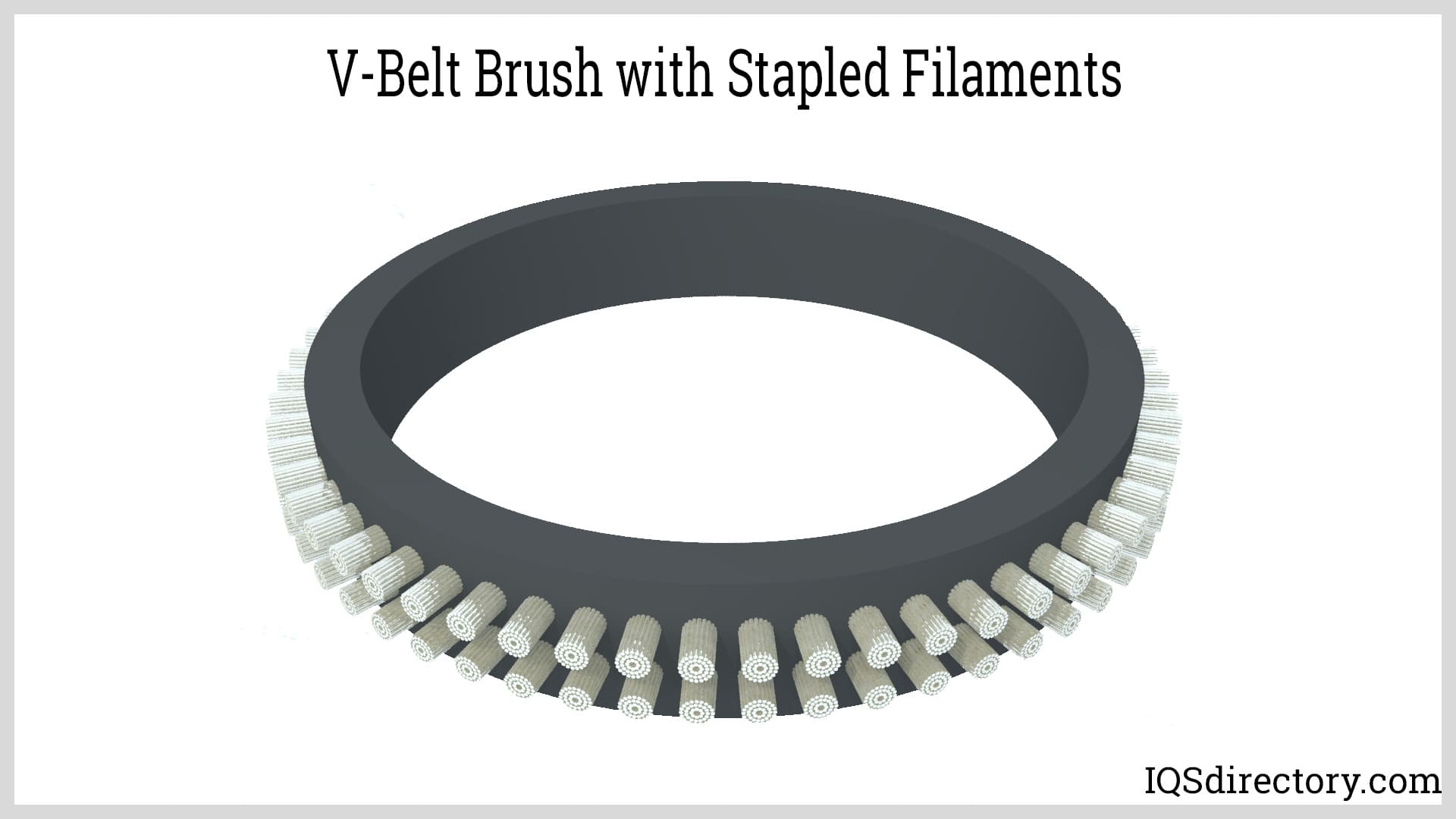
A rotating brush is used in conjunction with a machine that spins it on a cylinder or on a ring. This spinning motion cleans objects that come in contact with the brush’s bristles. These brushes can be found on shoe polishers, street cleaners, conveyor belts, runway sweepers and more. Rotating brushes can be manufactured in a variety of configurations and they are usually made to be replaceable once the bristles wear out from too much use. Read More…
Gordon Brush® is an ISO 9001:2015 certified manufacturer of standard & specialty brushes for the commercial, aerospace, military, medical & electronics industries.
Spiral Brushes manufactures industrial brushes, custom brushes, power brushes, wire brushes, conveyor cleaning brushes, steel brushes, stainless steel brushes, brass brushes, nylon brushes, abrasive nylon brushes, and natural fiber brushes.
The Industrial Brush Co. is a provider of brushes. Since 1946, we have been committed to providing high quality brushes and customer service for a variety of industrial applications and marketplaces.

Justman Brush is an ISO 9001:2015 Registered Manufacturer centrally located in the United States. We manufacture brushes for a large variety of industrial applications for our customers in the industrial, aerospace, military, laboratory & scientific, medical and food service industries. With over 91 years of manufacturing experience, we have the American Quality, competitive pricing and short...
Precision Brush Company is an industry leader that has the technology, expertise and experience to satisfy all of your brush requirements.
Braun Brush is committed to manufacturing quality brushes using a variety of methods. We offer convenient purchasing of the most extensive brush line available & a unique design-your-own brush service on the web.

For over 30 years, Tanis has been a leading brush manufacturer. Tanis has put innovation to work in everything we do, using the latest technology, materials, manufacturing advancements and engineering expertise.



More Rotating Brush Manufacturers
Comprehensive Guide to Rotating Brushes: Applications, Types, and Buying Considerations
Rotating brushes, also known as rotary brushes, are essential tools across a variety of industries, offering efficient cleaning, deburring, polishing, and surface preparation solutions. As industrial automation and specialized cleaning needs have advanced, the design and function of rotating brushes have evolved, making them indispensable in manufacturing, automotive, food processing, municipal maintenance, and many other sectors. Whether you are searching for high-performance rotary brush systems or considering replacement parts, understanding their applications and benefits will help you make informed purchasing decisions.
What Are Rotating Brushes?
Rotating brushes are cylindrical or disc-shaped brush tools engineered to spin, powered by a motor or mechanical drive, to deliver consistent and thorough cleaning, surface finishing, or material handling. Depending on the intended use, they are manufactured using a wide range of bristle materials—such as nylon, polypropylene, natural fibers, or stainless steel wire—each selected for specific cleaning intensity, chemical resistance, and surface compatibility. Commonly referred to as rotary brushes, these tools are designed for both stationary and mobile equipment, making them highly versatile for commercial and industrial applications.
How Do Rotating Brushes Work?
The core principle behind rotating brushes is the use of spinning bristles to agitate, scrub, or polish surfaces. In automated systems, rotary brushes are integrated with machinery to ensure even and efficient coverage across large areas or complex parts. The direction, speed, and pressure of the brush rotation can be customized to match the requirements of each application, from gentle dust removal to aggressive material removal or surface texturing.
Key Applications of Rotating Brushes
- Industrial Cleaning and Surface Preparation: Rotating brushes are widely used in manufacturing plants for removing debris, dust, oils, and residues from products and equipment. They are an integral part of conveyor systems, where they maintain the cleanliness of belts and transfer surfaces.
- Polishing and Buffing: Soft rotating brushes, such as polishing brushes, are ideal for smoothing surfaces on automotive bodies, stainless steel panels, glass, and other delicate materials. They help achieve a uniform finish without scratching or damaging the substrate. Learn more about polishing brush manufacturers.
- Deburring and Edge Blending: In metalworking and fabrication, wire rotary brushes are used to remove burrs, sharp edges, and surface contaminants from machined components, improving safety and product quality.
- Municipal and Roadway Cleaning: Street sweepers and airport runway sweepers utilize robust rotating brushes—often with steel or poly bristles—to clear debris, dirt, and even snow from large paved surfaces. Gutter brooms work in tandem to channel debris to the main collection brush and vacuum system.
- Food Processing and Produce Washing: In food and agricultural industries, rotary brushes are critical for washing, scrubbing, and polishing fruits and vegetables. After an initial rinse, produce is conveyed under rotating brushes to remove soil and grit. This automated step enhances food safety and presentation before packaging. Discover conveyor brush options for food processing.
- Textile and Fabric Finishing: Rotating brushes are used in textile mills to raise, clean, or finish fabrics, improving texture and appearance.
- Woodworking and Furniture Production: Rotary brushes help in sanding, finishing, and cleaning wooden components, ensuring smoothness and quality prior to assembly or coating.
Types of Rotating Brushes and Their Features
The performance and suitability of a rotating brush depend on its design, bristle material, and mounting configuration. Below is a breakdown of common types:
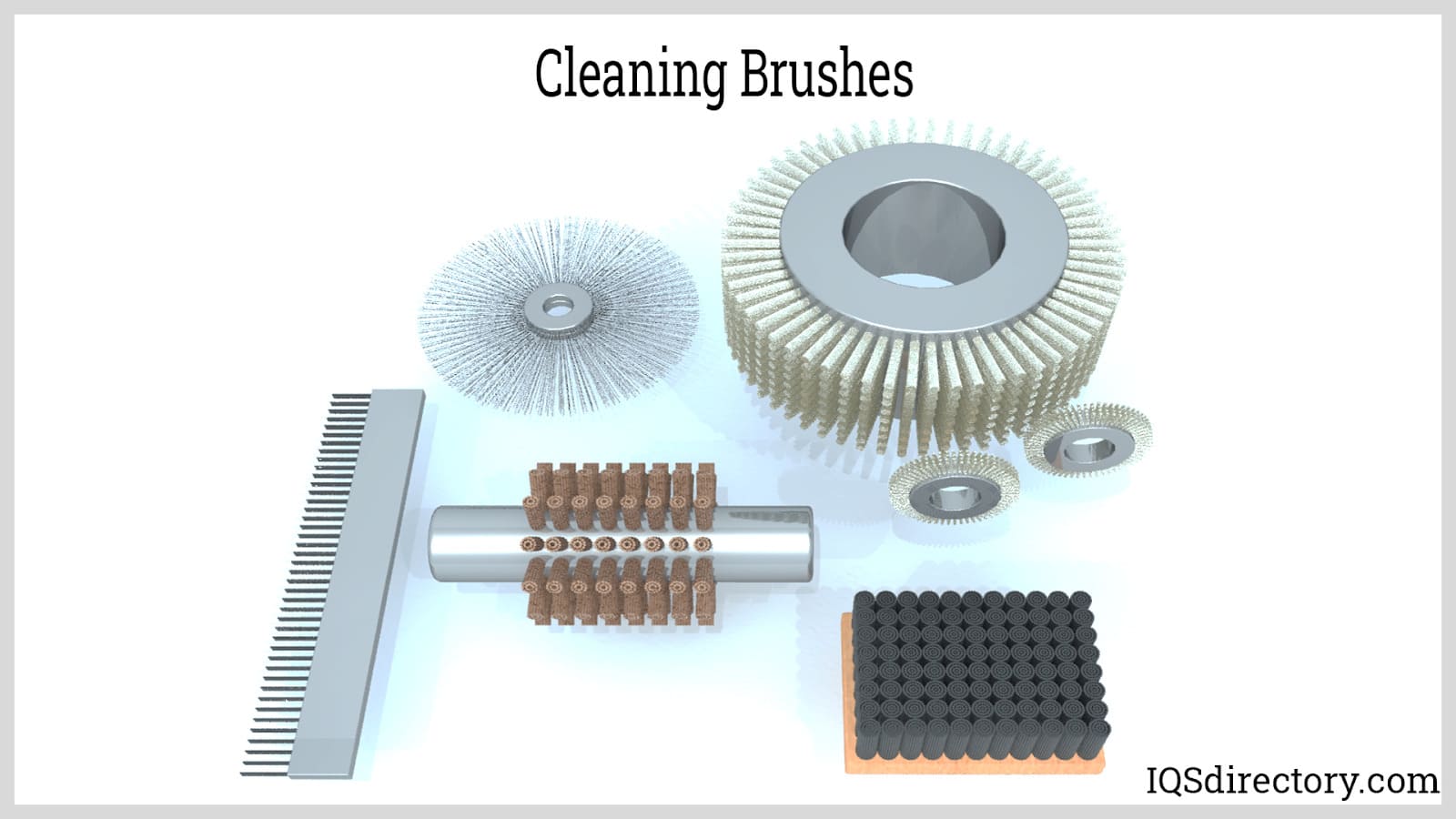
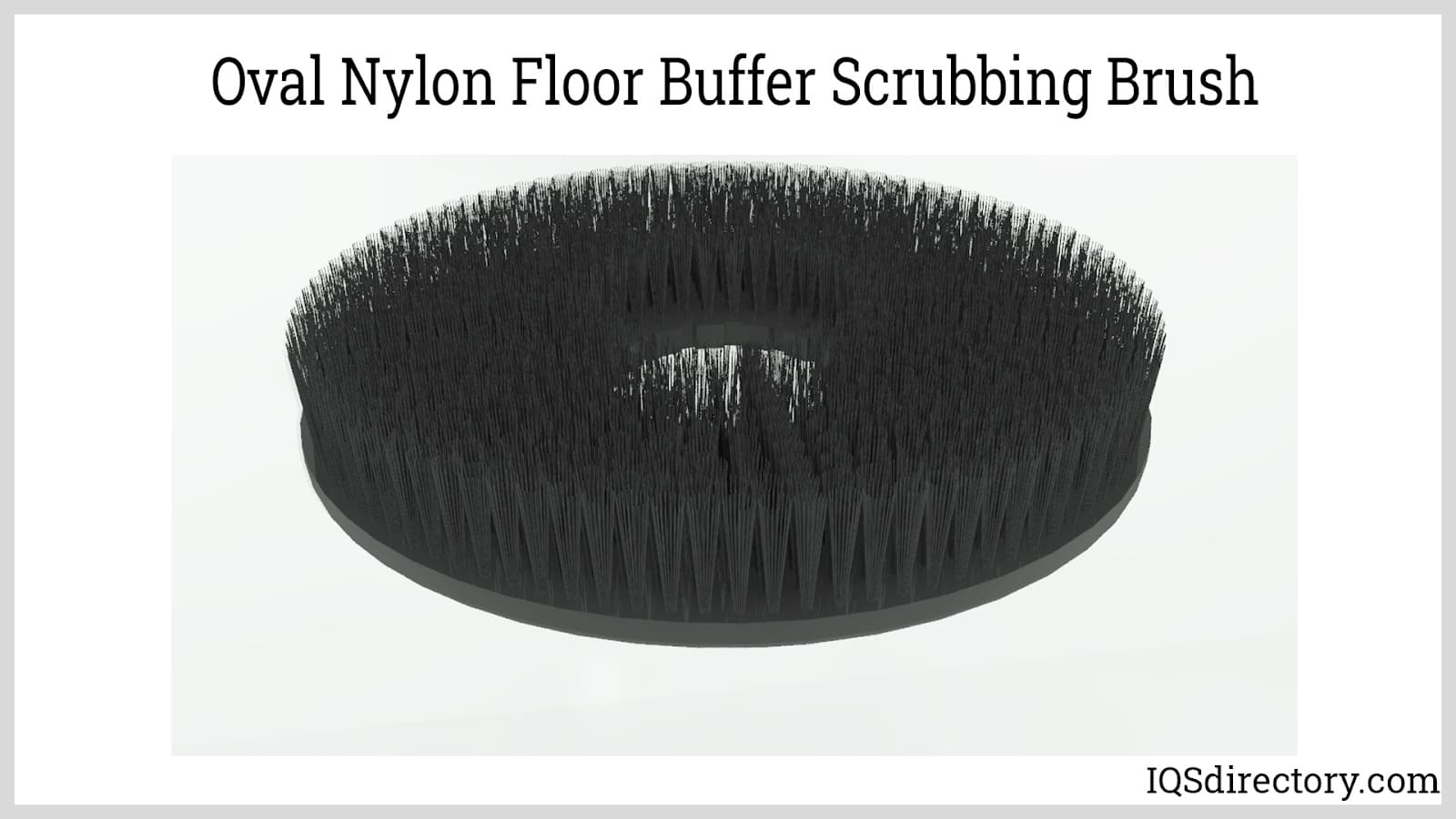
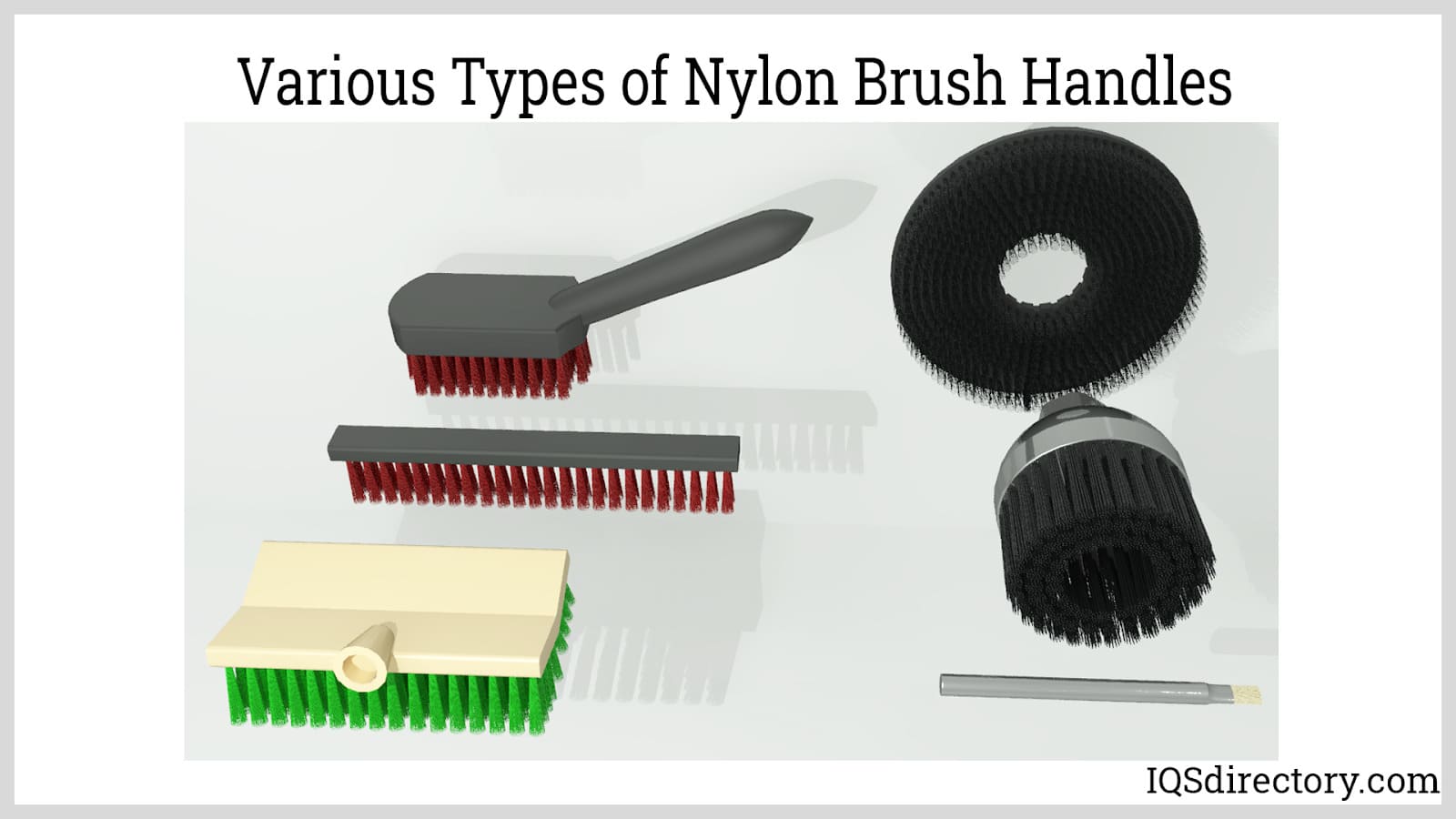
- Disc Brushes: Circular brushes mounted on a central hub, ideal for flat surfaces and edge cleaning. Available with varying bristle densities and diameters.
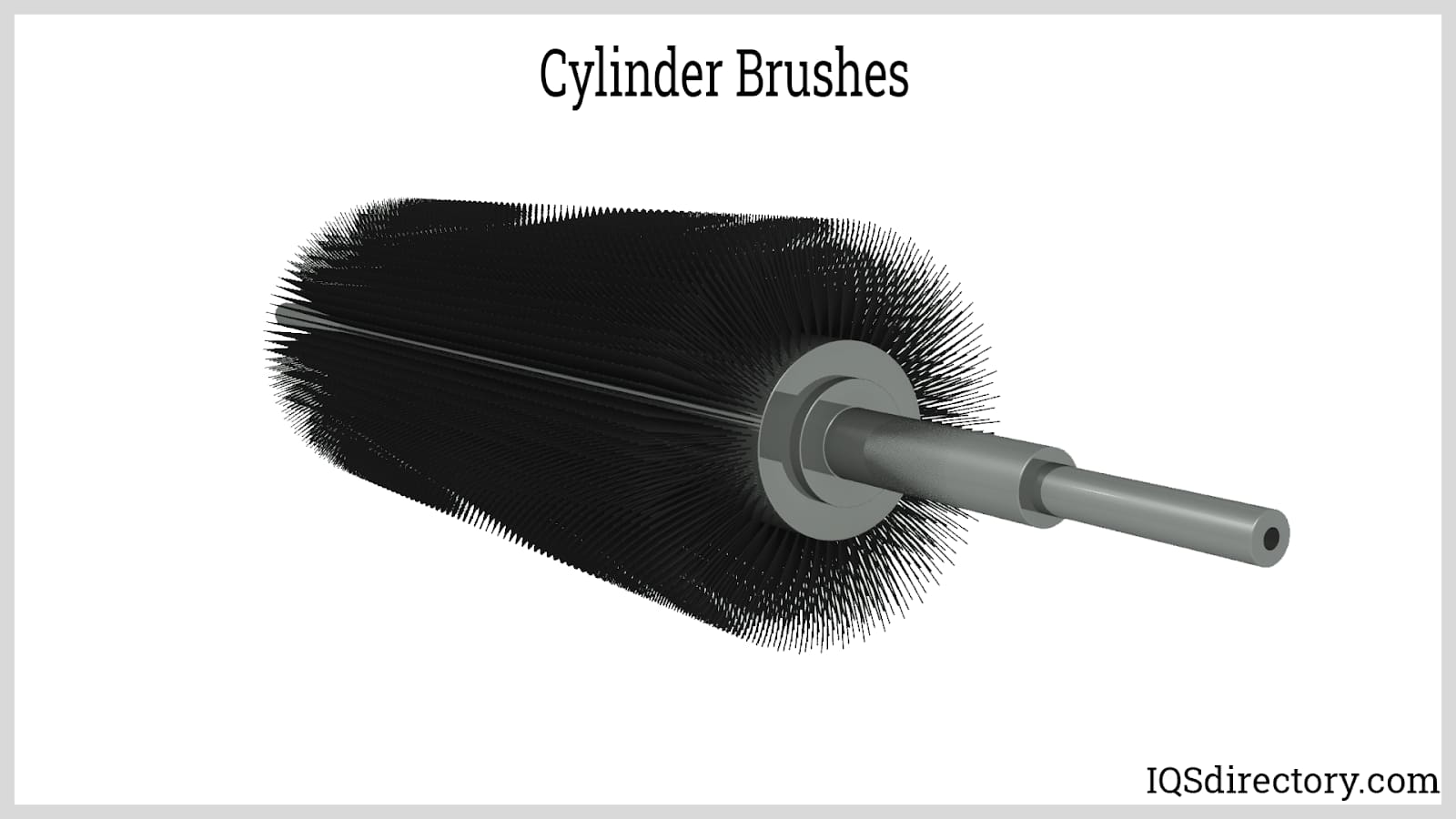
- Cylinder (Roller) Brushes: Long, cylindrical brushes used for continuous cleaning or polishing of conveyor belts, flooring, or large panels. Often used in automated production lines and street sweeping machines.
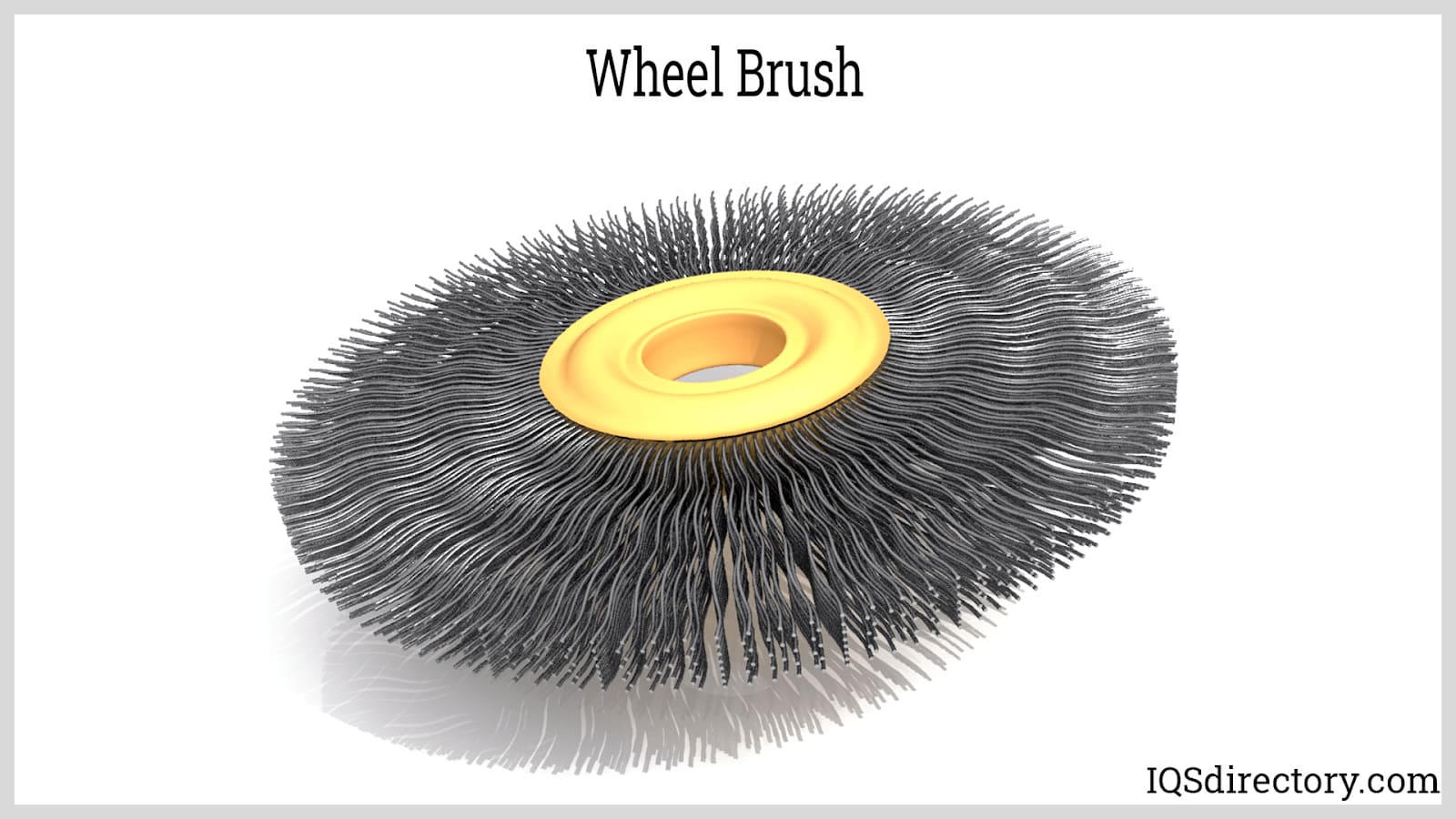
- Wheel Brushes: Compact, wheel-shaped rotary brushes, typically used for spot cleaning, deburring, and finishing in confined areas.
- Gutter Brooms: Specialized side brushes for street sweepers, designed to remove debris from curbs and gutters and channel it toward the main collection system.
Each type can be further customized with specific bristle materials:
- Nylon and Polypropylene: Offer chemical resistance and flexibility, suitable for delicate or wet cleaning applications.
- Natural Fibers: Used for polishing and gentle cleaning, especially in food and textile industries.
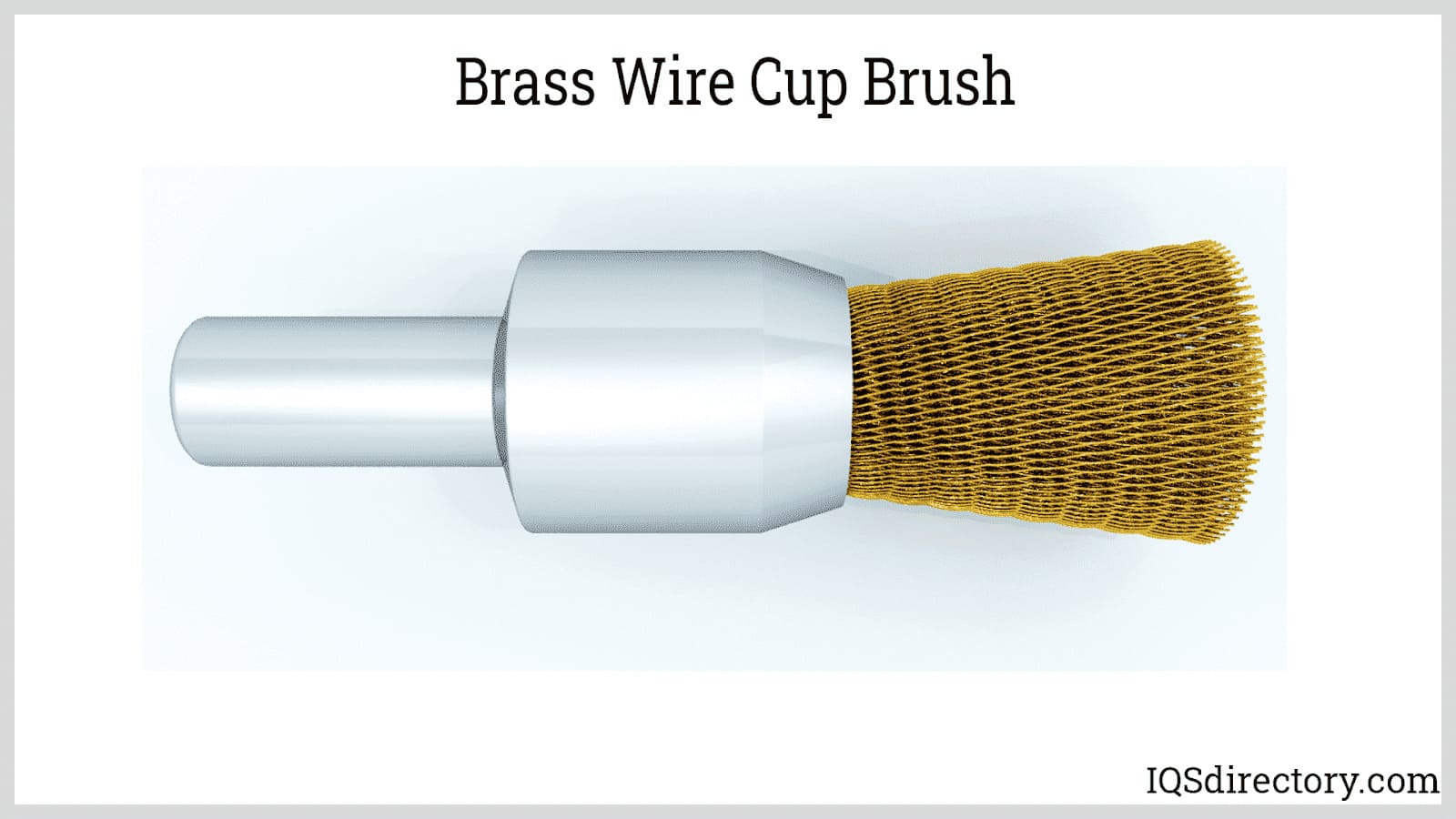
- Stainless Steel Wire: Delivers aggressive cleaning and deburring capabilities for heavy-duty industrial and metalworking tasks.
- Abrasive-Filled Bristles: Infused with silicon carbide or similar materials for enhanced abrasion and surface texturing.
Choosing the Right Rotating Brush for Your Application
Selecting the most effective rotating brush involves assessing several key factors:
- Surface Material: Consider the hardness, texture, and sensitivity of the surface to be cleaned or finished. For example, soft bristles are best for painted surfaces, while wire bristles suit metal deburring.
- Cleaning Intensity: Determine whether your process requires gentle dusting, heavy scrubbing, or aggressive deburring. Match the bristle type and density accordingly.
- Operating Environment: Evaluate exposure to moisture, chemicals, or extreme temperatures, as this will influence bristle material selection and brush longevity.
- Mounting and Compatibility: Ensure the brush dimensions and mounting style fit your equipment. Some brushes are designed for vertical or horizontal mounting, while others are tailored for specific machinery models.
- Speed and Pressure: Optimal rotation speed and applied pressure are important for achieving the desired cleaning or finishing outcome without damaging equipment or products.
Not sure which rotary brush is right for your needs? Ask yourself:
- What material or surface am I cleaning, polishing, or finishing?
- Is my application industrial, commercial, municipal, or food-grade?
- How often will the brush be used, and what is the expected wear rate?
- Do I require custom brush dimensions or bristle materials for unique tasks?
- Will I need replacement brushes frequently, or is longevity a higher priority?
- What are the compatibility requirements with my existing machinery or automated systems?
For specialized guidance, many brush manufacturers offer technical support and product customization to ensure you get the ideal solution for your process.
Benefits of Using Rotating Brushes in Industrial and Commercial Settings
- Increased Cleaning Efficiency: Rotary brushes can cover large areas quickly and consistently, reducing manual labor and improving productivity.
- Customizable for Any Task: With a wide range of sizes, bristle materials, and configurations, rotary brushes can be tailored to virtually any cleaning, finishing, or surface preparation challenge.
- Automation Ready: Easily integrated into conveyor systems, robotic arms, and production lines, rotary brushes support advanced process automation and quality control.
- Cost-Effective Maintenance: Regular use of rotary brushes helps prevent equipment buildup, reduce downtime, and extend asset lifespan.
- Versatility: Suitable for dry or wet cleaning, gentle polishing, or heavy-duty material removal across industries including manufacturing, automotive, aerospace, agriculture, and municipal services.
Common Use Cases for Rotating Brushes
To further illustrate their versatility, here are some real-world use cases for rotary and rotating brushes:
- Street and Runway Sweeping: Large, robust rotating brushes mounted on municipal sweepers remove dirt, debris, and even snow from roadways and airport runways. This enhances safety for vehicles and aircraft, reducing the risk of accidents due to foreign object debris (FOD).
- Food Processing Lines: In vegetable and fruit processing plants, produce passes under rotating brushes after washing to remove soil and residual dirt, ensuring cleanliness before packaging. This step is critical for meeting food safety and quality standards.
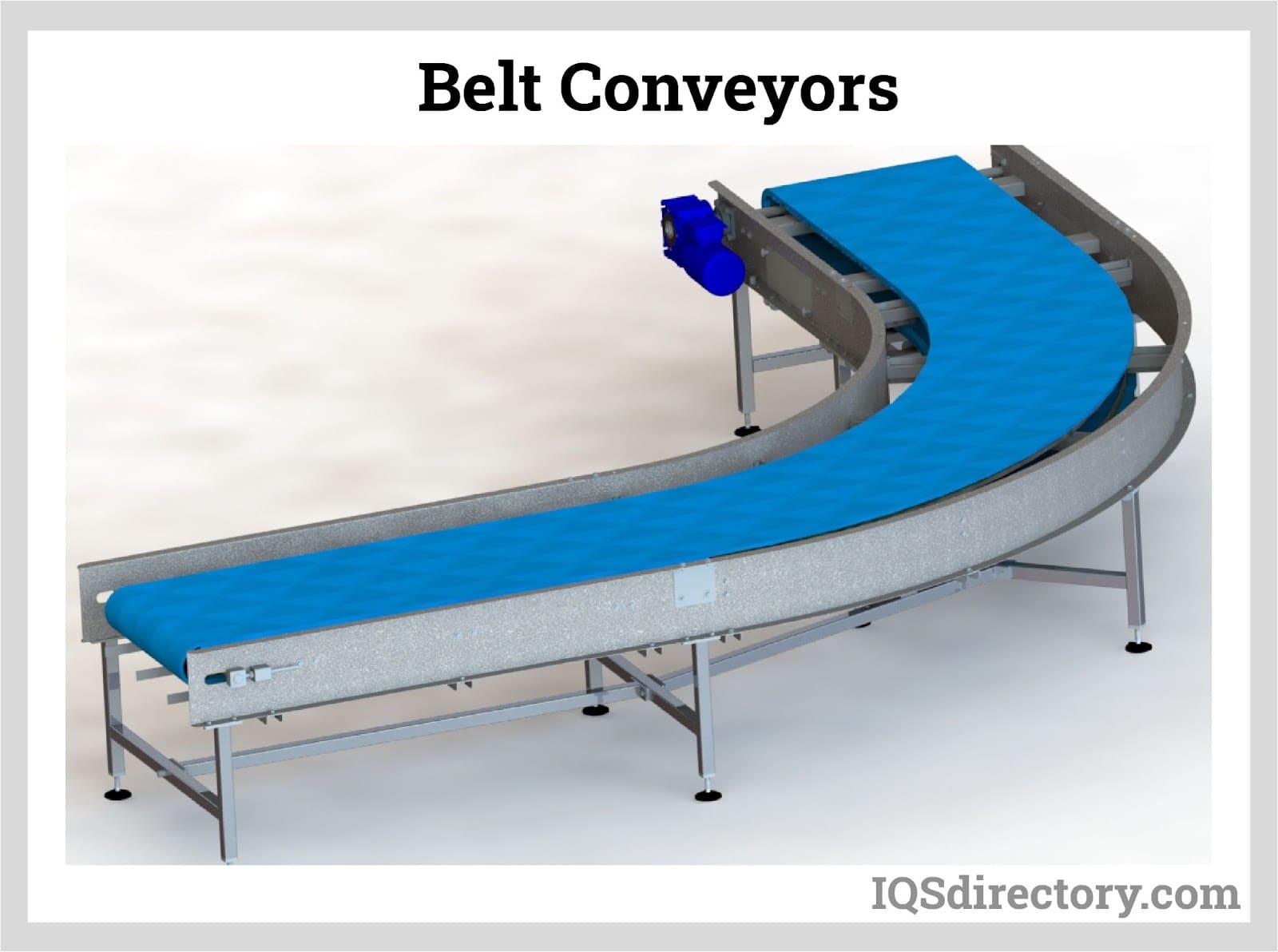
- Conveyor Belt Cleaning: Rotary brushes, mounted horizontally or vertically, keep conveyor belts free of residue, dust, and product buildup, maintaining efficient operation in manufacturing and material handling facilities.
- Automotive Detailing and Car Washes: Soft rotary brushes are used in automated car washes to gently clean vehicle exteriors without causing scratches or swirl marks.
- Industrial Deburring: Wire rotary brushes are utilized in metalworking shops to clean welds, remove slag, and smooth sharp edges on fabricated parts.
- Wood Finishing: Rotary brush sanders and finishers prepare wood surfaces for staining, painting, or sealing, ensuring a smooth and consistent finish.
- Textile Processing: Rotary brushes raise and clean textile fibers, improving fabric texture and appearance in the finishing stages of production.
Maintenance and Replacement Tips for Rotating Brushes
Proper maintenance is essential for maximizing the lifespan and effectiveness of your rotary brushes. Over time, even the highest-quality brushes will experience bristle wear, reducing their cleaning and finishing performance. Here are some best practices:
- Regular Inspection: Check for wear, missing bristles, or deformation. Replace brushes when bristles become dull, bent, or ineffective.
- Correct Installation: Ensure brushes are mounted securely and aligned properly to avoid uneven wear and vibration, which can damage both the brush and equipment.
- Clean After Use: Remove accumulated debris or chemicals from the bristles to prevent contamination and prolong brush life.
- Monitor Speed and Pressure: Operating at the recommended speed and pressure will prevent premature wear and maintain cleaning efficacy.
- Stock Replacement Brushes: Keep spare brushes on hand to minimize downtime during routine maintenance or unexpected failures.
Frequently Asked Questions About Rotating and Rotary Brushes
What is the difference between a rotary brush and a rotating brush?
The terms are often used interchangeably. Both refer to brush tools that spin, either as part of stationary equipment or mobile machinery, to clean, polish, or finish surfaces. The main distinction is sometimes based on design: "rotary brush" often refers to disc or wheel shapes, while "rotating brush" can describe any brush that spins during operation.
When should I replace my rotating brush?
Replace your brush when you notice reduced cleaning performance, uneven bristle wear, or visible damage. Regular inspection is key to maintaining effective results.
Can I use the same rotary brush for different applications?
In most cases, it is recommended to use application-specific brushes. Material type, bristle hardness, and brush configuration should match the task to prevent surface damage and ensure optimal results.
How do I choose the right bristle material?
Consider the surface type, cleaning intensity, and exposure to chemicals or moisture. Consult with brush manufacturers for guidance tailored to your unique process requirements.
Ready to Find the Right Rotating Brush Manufacturer?
Whether you need rotary brushes for industrial cleaning, polishing, deburring, or specialized applications, partnering with a reputable manufacturer is essential. Look for manufacturers who offer:
- Custom brush design and engineering support
- Extensive material and bristle options
- Technical consultation for your specific equipment and process
- Fast lead times and reliable supply
- Comprehensive after-sales support and replacement parts
Start your search today: Browse leading rotating and rotary brush manufacturers for solutions tailored to your industry and application.
Explore More About Rotating Brushes
- Learn about industrial polishing brushes
- Discover conveyor cleaning brush solutions
- Find industrial brush manufacturers
For more technical guidance, product customization, or bulk purchasing options, contact a certified brush manufacturer directly. They can help you select, design, and implement the best rotary brush systems for your operational needs.
Looking for more information? Explore our resources to find answers to common questions, compare different brush types, or request a quote for your next project.



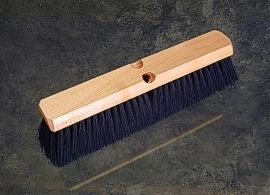 Brooms
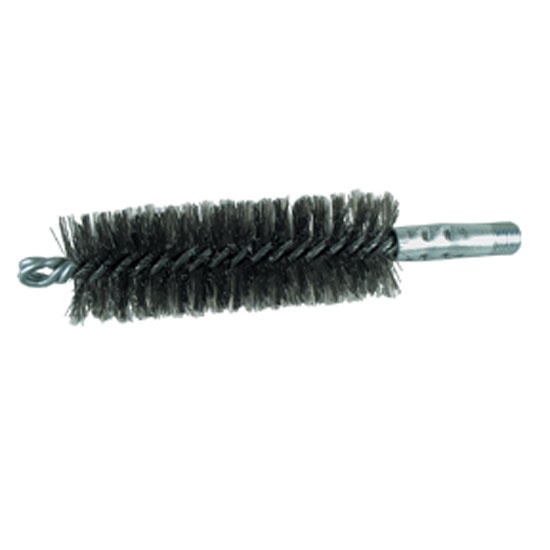 Brushes
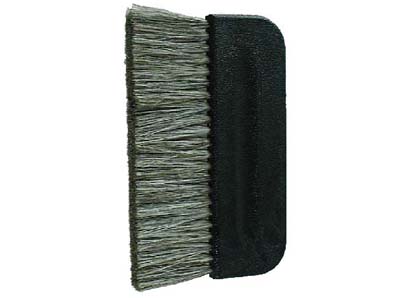 Static Eliminator
 Sweepers
 Castings & Forgings
 Bulk Material Handling
 Electrical & Electronic Components
 Flow Instrumentation
 Hardware
 Material Handling Equipment
 Metal Cutting Services
 Metal Forming Services
 Metal Suppliers
 Motion Control Products
 Plant & Facility Equipment
 Plant & Facility Supplies
 Plastic Molding Processes
 Pumps & Valves
 Recycling Equipment
 Rubber Products & Services